IT4HOME - IT and security Blog
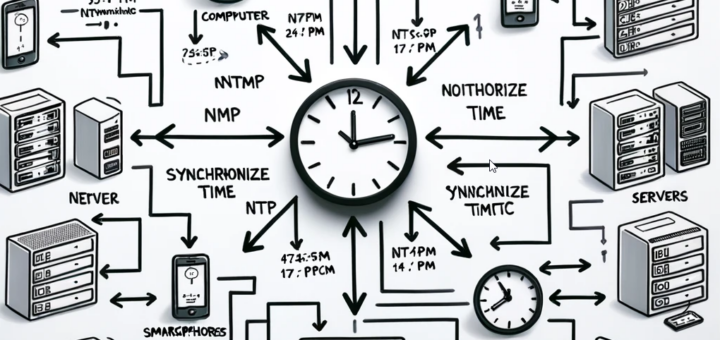
Introduction Accurate timekeeping is essential for various applications, from logging to scheduling tasks. While there are numerous public NTP servers, setting up your own NTP server offers more control and can be quite satisfying....
Upgrading your Raspberry Pi’s operating system doesn’t always require a complete reinstallation. If you’re running Debian Bullseye and want to move to the newer Bookworm version, you can do so with a few simple...
Prerequisites Passwordless SSH Login First, set up passwordless SSH login: Docker Volume Backup Script Create a backup script named docker_backup.sh: Run the script: Ansible Alternative Create an Ansible playbook named docker_backup.yml: Run the playbook:...
Introduction Managing TP-Link EAP devices becomes a breeze when you have a centralized controller. In this guide, we’ll walk through the steps to set up an Omada Controller on a Raspberry Pi 4 using...
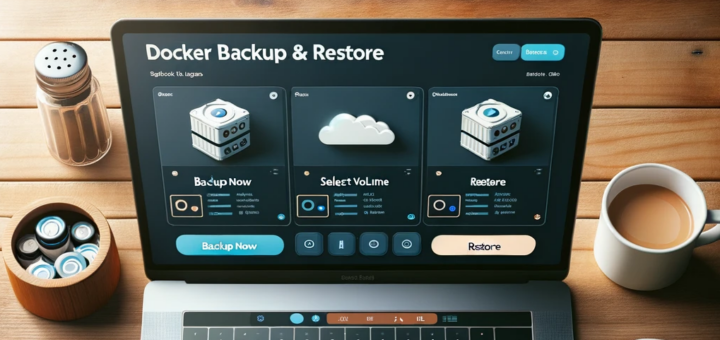
Docker has revolutionized the way we develop, package, and deploy applications. But like any system, it’s crucial to have backups. In this post, we’ll walk through the process of backing up Docker containers and...
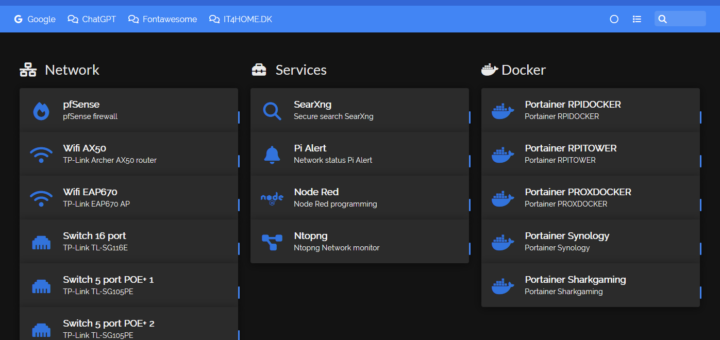
The Homer dashboard is a simple, customizable, and self-hosted dashboard that allows users to centralize their most frequently used links, services, and tools in one place. It’s especially useful for those who manage a...
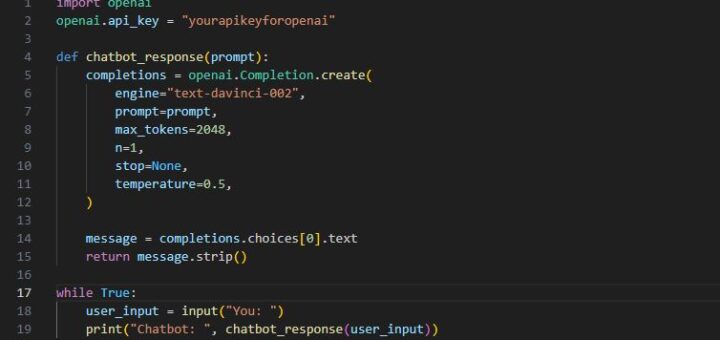
Chatbots have become an integral part of many applications and services, offering real-time interaction with users. If you’re looking to integrate OpenAI’s ChatGPT into your Python project, you’re in the right place. In this...
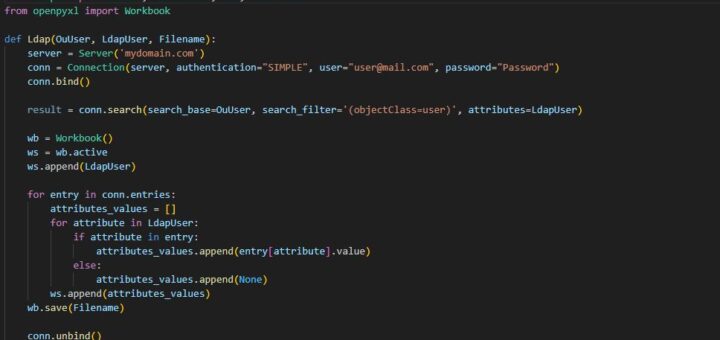
LDAP (Lightweight Directory Access Protocol) is a protocol used for accessing and managing directory services data, such as user information. Python provides several libraries for interacting with LDAP servers, and one popular choice is...
Compiling your Python programs into standalone executables can be incredibly useful, especially when you want to distribute your software to others who may not have Python installed. In this blog post, we’ll walk you...
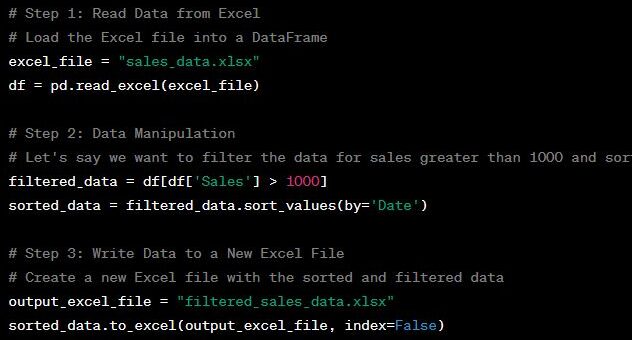
Introduction:In the world of data analysis and manipulation, Python’s Pandas library stands as a powerful and versatile tool. Whether you’re a data scientist, analyst, or just someone who needs to work with data, Pandas...